


What is Grass Jelly Powder? Complete Guide for Importers (2025 Edition)
Grass jelly powder has become one of the most popular ingredients in the beverage and dessert industry thanks to the global rise of bubble tea, herbal drinks, and Asian-style desserts.
If you’re a distributor, importer, or food manufacturer looking to source this ingredient, understanding what grass jelly powder is, how it’s made, and how to evaluate quality is essential.
This complete guide provides everything importers need — from origins and production to certifications, applications, and sourcing.
What Exactly Is Grass Jelly Powder?
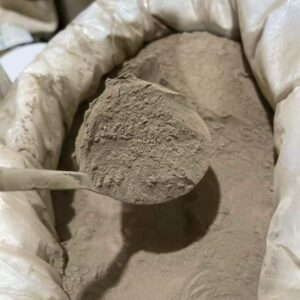
Grass jelly powder is a fine, water-soluble powder made from Mesona Chinensis, a natural herb traditionally used in Asian desserts and cooling beverages.
When cooked with water and sugar, it forms a soft black jelly with a herbal aroma. This jelly is used in:
-
Bubble tea toppings
-
Canned herbal drinks
-
Asian desserts
-
Ready-to-drink beverages
-
Jelly cups and puddings
Grass jelly powder is also known by several names:
-
Black Jelly Powder
-
Herbal Jelly Powder
-
Mesona Jelly Powder
-
Grass Jelly Extract Powder
How Grass Jelly Powder Is Made
While different manufacturers have different formulas, the production process generally includes:
1. Sourcing Mesona Chinensis Leaves
Fresh or dried leaves are collected, usually from mountainous regions in Vietnam, China, or Taiwan.
2. Washing & Pre-Processing
Leaves are cleaned to remove dirt, dust, and impurities.
3. Extraction
Leaves are boiled to extract natural flavors, aroma compounds, and polysaccharides responsible for jelly texture.
4. Filtration
The extract is filtered to remove fibers and residue.
5. Spray-Drying
The filtered extract is dried into a stable powder using industrial spray dryers.
6. Blending & Standardization
The powder is blended with small amounts of starch (usually corn starch) to stabilize texture and improve jelly firmness.
7. Quality Testing
Each batch is tested for moisture, color, aroma, solubility, and microbial safety.
8. Packaging
Packed in 1 kg, 10 kg, or 25 kg bags for export.
Why Importers Prefer Powder Over Fresh Jelly
Importers choose powdered grass jelly for three major advantages:
1. Longer Shelf Life
Grass jelly powder lasts 18–24 months, while fresh jelly spoils quickly.
2. Lower Transportation Costs
Powder is lightweight, compact, and doesn’t require refrigeration.
3. Flexible Application
Manufacturers can adjust firmness, color, and sweetness depending on product needs.
For businesses, powder is significantly more cost-effective and practical.
H2: Black Jelly Powder vs Grass Jelly Powder (Are They Different?)
Many importers are confused about the difference.
In reality, they are the SAME PRODUCT.
-
Black Jelly Powder = Grass Jelly Powder
-
Both come from Mesona Chinensis
-
Both produce dark brown to black jelly
-
Both have the same aroma and texture
The difference is the naming used by different countries.
Quality Standards Importers Should Look For
Because grass jelly is consumed worldwide, proper certifications are essential. High-quality factories typically provide:
ISO 9001: Quality management system ensuring consistency.
ISO 22000: Food safety management system for international food ingredient production.
HACCP: Hazard analysis to ensure safe production and processing.
HALAL Certification: Necessary for Islamic markets such as Malaysia, Indonesia, Bangladesh, UAE.
FDA Registration: Required for exporting to the United States.
COA (Certificate of Analysis): Includes moisture, color, pH, microbial levels, and texture tests. Importers should always ask for COA, sample approval, and batch consistency testing.
Key Specifications to Check Before Importing
Every importer should evaluate:
1. Color of Powder
Ideal color: grey-black
Indicates authentic Mesona Chinensis extract.
2. Color of Jelly After Processing
Should be black — not watery brown.
3. Aroma
Natural herbal smell, no chemical odor.
4. Texture
Final jelly should be:
-
Smooth
-
Soft
-
Flexible
-
Not crumbly
5. Ingredients Ratio
A standard formula is:
85% Grass Jelly Extract
15% Corn Starch
6. Moisture Level
Ideal: ≤ 8%
7. Microbial Safety
Follow international standards to ensure export eligibility.
Top Applications of Grass Jelly Powder
Importers often supply grass jelly powder to the following industries:
1. Bubble Tea Brands
Used as topping (grass jelly cubes).
2. Beverage Manufacturers
Canned herbal drinks are a major segment.
3. Dessert Factories
Jelly cups, puddings, herbal jelly bowls.
4. Food Service Distributors
Hotels, restaurants, and cafés use jelly for desserts.
5. OEM Drink Packagers
Ready-to-drink Asian herbal beverages.
Grass jelly is versatile and profitable across multiple segments.
Why Many Importers Source from Vietnam
Vietnam has become one of the world’s largest producers of grass jelly powder thanks to:
-
Ideal climate for Mesona Chinensis
-
Strong raw material supply (Lang Son, Cao Bang)
-
Large-scale factories
-
Competitive pricing
-
Stable export logistics
-
High-quality standards (ISO, HACCP, FDA, HALAL)
Duc Quy Foods is among Vietnam’s established manufacturers with monthly output over 100 tons.
How to Choose a Reliable Grass Jelly Powder Supplier
Importers should evaluate suppliers based on:
1. Certifications (ISO, HACCP, HALAL, FDA)
Ensures export compliance.
2. Production Capacity
Stable monthly output for long-term orders.
3. Ingredient Consistency
Same color, aroma, and texture across batches.
4. Pricing Transparency
Clear MOQ, FOB/CIF terms.
5. Sample Quality
Match sample to COA.
6. Export Experience
A must for global shipments and documentation.
7. Customer Support
Professional communication increases reliability.
Common Importing Mistakes to Avoid
Mistake 1: Choosing the cheapest supplier
Low-cost suppliers often use fillers or artificial coloring.
Mistake 2: Not requesting COA
A COA is essential for checking quality.
Mistake 3: Not testing sample before bulk order
Always cook sample jelly and test firmness.
Mistake 4: Ignoring certification requirements
Without HALAL or FDA, customs clearance may fail.
Mistake 5: Buying inconsistent product
Batch-to-batch inconsistency leads to customer complaints.
FAQs About Grass Jelly Powder
Q1: Is grass jelly powder healthy?
Yes, it has natural cooling properties and supports digestion.
Q2: What is the shelf life?
Usually 18–24 months depending on packaging.
Q3: Is grass jelly vegan?
Yes, it is plant-based.
Q4: Can I use it for bubble tea?
Absolutely — it’s one of the most common toppings.
Q5: Do you offer OEM formulas?
Yes. Manufacturers like Duc Quy Foods offer custom blends.
Final Thoughts for Importers
Grass jelly powder is a high-demand ingredient in the global beverage market, especially in Southeast Asia, the U.S., and the Middle East.
Understanding what grass jelly powder is and how it is produced will help importers make smarter sourcing decisions and avoid common pitfalls.
If you’re seeking a reliable, certified supplier from Vietnam, ensure they meet ISO 9001, ISO 22000, HACCP, and HALAL standards — and always test sample quality before ordering.
