


Black vs White Jelly Powder: Differences & Best Uses (2025 Guide)
Jelly-based desserts are a huge part of the Asian food and beverage industry, appearing in bubble tea shops, dessert cafés, herbal drink brands, and large-scale beverage factories.
Two of the most widely used ingredients today are Black Jelly Powder (Grass Jelly Powder) and White Jelly Powder.
Although both are used to make jelly, their characteristics, flavor, appearance, and applications are completely different.
In this guide, we break down everything importers, distributors, and manufacturers need to know about black vs white jelly powder — from ingredients and texture to industrial applications and market suitability.
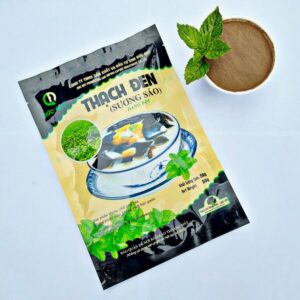
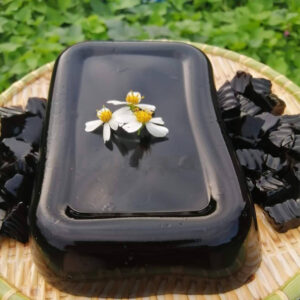
What Is Black Jelly Powder?
Black Jelly Powder — also known as Grass Jelly Powder — is made from Mesona Chinensis, a natural herb widely grown in Vietnam, Taiwan, China, and Southeast Asia.
When cooked, it produces a dark brown to black jelly, soft in texture and rich in herbal aroma.
It is one of the most traditional Asian desserts and is commonly used in:
-
Bubble tea shops
-
Herbal drink brands
-
Canned grass jelly
-
Bottled herbal beverages
-
Asian dessert bowls
Key Characteristics of Black Jelly Powder:
-
Color: Grey-black powder
-
Jelly color: Black
-
Texture: Soft, smooth, lightly flexible
-
Taste: Natural herbal aroma
-
Ingredients: Grass jelly starch + corn starch
Best for: Bubble tea, herbal drinks, ready-to-drink desserts, traditional Asian markets.
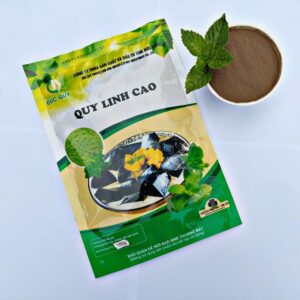
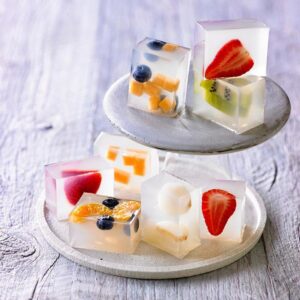
What Is White Jelly Powder?
White Jelly Powder is a purified form of jelly starch, producing a transparent, clear jelly with a firmer, crispier texture.
Unlike black jelly powder, it has no herbal flavor, making it ideal for fruit-based or colorful desserts.
Key Characteristics of White Jelly Powder:
-
Color: White powder
-
Jelly color: Transparent / clear
-
Texture: Crispy, firm, more stable
-
Taste: Neutral
-
Ingredients: Refined jelly starch + corn starch
Best for: Fruit desserts, colorful jelly cups, premium beverage toppings, cafés, supermarkets.
Black vs White Jelly Powder: Detailed Comparison
To help you understand which one fits your product line, here’s a complete breakdown:
1. Ingredients
| Type | Black Jelly Powder | White Jelly Powder |
|---|---|---|
| Base herb | Mesona Chinensis | None (purified starch) |
| Flavor | Herbal | Neutral |
| Color agents | Natural plant pigments | None |
| Common blend | 85% jelly starch + 15% corn starch | 85% white jelly starch + 15% corn starch |
2. Appearance
-
Black Jelly Powder: Dark brown/black jelly
-
White Jelly Powder: Clear, transparent jelly
White jelly is visually modern and trendy, especially for fruit tea and premium beverages.
3. Texture
-
Black jelly: Soft, smooth, slightly wobbly
-
White jelly: Firmer, crispier, holds shape better in fruit cups
For beverages that require long-lasting toppings, White Jelly Powder offers better visual stability.
4. Flavor Profile
-
Black jelly: Herbal, aromatic, traditional
-
White jelly: Neutral, can absorb fruit or syrup flavors
White jelly is more flexible for creative recipes.
5. Applications
Black Jelly Powder is ideal for:
-
Grass jelly drinks
-
Bubble tea toppings
-
Canned herbal beverages
-
Traditional Asian desserts
-
Herbal cooling drinks
White Jelly Powder is ideal for:
-
Fruit jelly cups
-
Clear jelly for cafés
-
Colorful dessert creations
-
Kids’ jelly snacks
-
Flavored beverages
Which One Should Importers Choose?
The choice depends on your market, customers, and product type.
Choose Black Jelly Powder if:
-
Your market prefers traditional Asian flavors
-
You supply bubble tea shops
-
You want herbal aroma
-
Your consumers expect black dessert jelly
Choose White Jelly Powder if:
-
You supply fruit tea chains or cafés
-
You produce modern, colorful desserts
-
You want clear jelly for premium drinks
-
Your market prefers visually appealing beverages
Consumer Trends in 2024–2025
Black Jelly Powder Demand Growth
Driven by the global popularity of bubble tea and herbal drinks, black jelly powder continues to grow in:
-
Taiwan
-
China
-
Malaysia
-
Indonesia
-
Vietnam
White Jelly Powder Trend
Clear jelly has become a trending topping in:
-
Fruit tea shops
-
Healthy dessert concepts
-
Instagram-friendly beverages
-
Korean-style cafés
Modern beverage brands use white jelly for its clean look and customizable flavor.
Price Comparison (Typical Market Range)
While price varies by supplier and certification level, here’s a general market overview:
-
Black Jelly Powder: Slightly more expensive due to herbal raw materials
-
White Jelly Powder: More affordable and stable in supply
Prices vary further based on ISO, HACCP, HALAL certifications.
Shelf Life & Packaging
Both powders typically last 18–24 months when sealed.
Common packaging formats:
-
1 kg bag
-
10–20 kg carton
-
25 kg kraft bag
-
OEM/private label packaging
For importers, sealed kraft bags are the most cost-efficient.
How to Evaluate a Good Supplier
To avoid inconsistency or poor-quality powder, importers should check:
-
ISO 9001 / ISO 22000 / HACCP certifications
-
HALAL certification for Muslim markets
-
FDA registration for the U.S.
-
Monthly production capacity
-
COA (Certificate of Analysis)
-
Consistent color and aroma across batches
-
Export experience
-
Real factory photos (avoid traders)
Duc Quy Foods meets ISO 9001, ISO 22000, HACCP, HALAL, FDA, and exports to:
Taiwan | China | Indonesia | Malaysia | Philippines | Bangladesh | India
FAQs: Black vs White Jelly Powder
Q1: Are black jelly and grass jelly the same?
Yes. Black jelly = grass jelly = Mesona Chinensis jelly.
Q2: Can white jelly be flavored?
Yes. It absorbs flavor very well (fruit, honey, syrup).
Q3: Which one is more suitable for bubble tea?
Black jelly powder is the standard bubble tea topping.
Q4: Which one is more suitable for fruit desserts?
White jelly powder is preferred for visual presentation.
Q5: Are both vegan?
Yes. Both are plant-based.
Conclusion — Black or White Jelly Powder?
Both Black Jelly Powder and White Jelly Powder have unique advantages.
Black jelly delivers traditional flavor, while white jelly offers modern versatility.
For importers and manufacturers, understanding these differences helps you source the right product for your target audience — whether you serve classic Asian herbal drinks or trendy fruit teas.
When choosing a supplier, ensure they meet ISO, HACCP, HALAL, FDA standards and provide consistent, export-ready quality.
