



Health Benefits of Grass Jelly: Evidence & Traditional Uses
Grass jelly (Mesona Chinensis) has been consumed for centuries across Asia for its cooling properties, digestive support, and herbal wellness benefits. In recent years, grass jelly powder has become a trending ingredient in the health and beverage industry worldwide, especially in Southeast Asia, China, Taiwan, and wellness-focused markets.
This article explores the health benefits of grass jelly, combining traditional knowledge, modern scientific indications, and practical applications for beverage and food businesses.
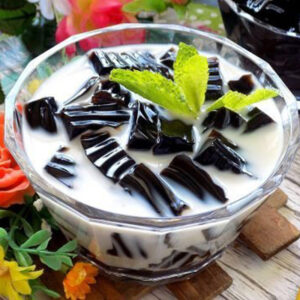
What Is Grass Jelly? (Brief Background)
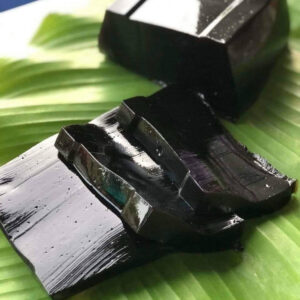
Grass jelly is a herbal jelly made from the leaves and stems of Mesona Chinensis. When boiled and cooled, the extract naturally forms a soft, black jelly with a mild herbal taste.
Traditionally used for:
-
Cooling the body (“thanh nhiệt”)
-
Supporting digestion
-
Reducing heat-related discomfort
-
Calming inflammation
-
Refreshing summer drink ingredient
Modern usage includes:
-
Bubble tea toppings
-
Herbal drinks
-
Desserts
-
Ready-to-drink beverages
-
Functional wellness products
Grass jelly is gentle, plant-based, low in calories, and safe for all ages.

⭐Top Health Benefits of Grass Jelly
1. Natural Cooling Effect (Heat Relief & Hydration)
In traditional East Asian and Southeast Asian medicine, grass jelly is valued for its natural cooling (yin) properties, helping balance body temperature and reduce internal heat.
Benefits include:
-
Relieves heat exhaustion
-
Reduces skin heatiness & irritation
-
Helps cool the liver
-
Supports hydration during hot weather
This makes grass jelly a widely consumed summer ingredient across Taiwan, Indonesia, Malaysia, Vietnam, and China.
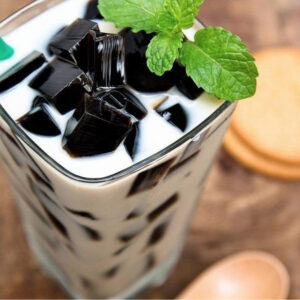
2. Supports Digestion & Gut Health
Grass jelly contains natural polysaccharides and dietary fiber that help support digestive function.
Digestive benefits:
-
Helps regulate bowel movements
-
Soothes the stomach
-
May reduce discomfort from spicy or oily foods
-
Supports nutrient absorption
-
Gentle on the digestive system
This is why grass jelly is commonly served after meals across many Asian cultures.
3. Antioxidant Properties (Cell Protection)
Studies show that Mesona Chinensis contains natural antioxidants, including:
-
Polyphenols
-
Flavonoids
-
Chlorogenic acid
These antioxidants help neutralize free radicals, which may contribute to:
-
Reduced oxidative stress
-
Slower cell aging
-
Better metabolic balance
-
Improved immunity support
Though not a medicine, grass jelly is considered a beneficial functional food.

4. Supports Blood Sugar Balance (Low-Calorie Option)
Grass jelly is naturally:
-
Low in calories
-
Low in sugar (if prepared without added sweeteners)
-
Low glycemic index
This makes it a suitable dessert choice for:
-
Diet-conscious consumers
-
Individuals limiting sugar
-
Those who prefer healthier alternatives to pudding or sweet toppings
Many cafes now offer sugar-free grass jelly as a topping for their healthy drink menus.
5. Anti-Inflammatory & Detoxifying Effects
Traditional herbal practices across Asia have long used grass jelly to help:
-
Calm inflammation
-
Detox the liver
-
Cleanse internal heat
-
Reduce swelling or discomfort
While scientific research is still ongoing, centuries of culinary and cultural usage indicate meaningful wellness value.
>> Visit our Alibaba site: ducquy.trustpass.alibaba.com >>
⭐Traditional Uses of Grass Jelly Across Asia
Grass jelly is used differently depending on the country:
Vietnam: “Sương sáo” eaten in desserts, cooling drinks, chè thập cẩm.
Taiwan: “仙草 (xiancao)” used in shaved ice, milk tea, herbal drinks.
China: Consumed in herbal medicine shops for at least 1,000 years.
Indonesia & Malaysia: Known as cincau, added to iced tea or fruit-based drinks.
Philippines: Used in halo-halo and local cold desserts.
Thailand: Added to iced desserts and herbal cooling beverages.
Its cross-cultural presence proves its long-standing role as a functional natural food.
Modern Scientific Findings
While grass jelly is not classified as a medical treatment, research indicates:
✔ Contains beneficial antioxidants
✔ Shows anti-inflammatory potential
✔ Supports digestion
✔ May help cool internal heat
✔ Low calorie and low fat
✔ Contains natural minerals: calcium, potassium, magnesium
Because of this, grass jelly is increasingly appearing in wellness beverages, functional desserts, and vegan health products.
How Businesses Use Grass Jelly for Health-Focused Consumers
Grass jelly fits perfectly into modern health-conscious trends:
Used in:
-
Detox drink menus
-
Low-calorie dessert lines
-
Functional RTD herbal beverages
-
Vegan-friendly drinks
-
Cafés promoting “wellness menus”
-
Bubble tea shops offering healthier toppings
Grass jelly is an easy way to add value, nutrition, and uniqueness to food & beverage products.
Safety & Allergen Information
Grass jelly is generally considered safe for most consumers.
Allergen-free characteristics:
-
Gluten-free
-
Dairy-free
-
Soy-free
-
Vegan
-
No preservatives (if made naturally)
-
No artificial coloring in high-quality products
For industrial buyers, always request:
-
COA
-
Microbial testing report
-
Ingredient list
-
Product specification sheet
FAQ – Health Benefits of Grass Jelly
Q1: Is grass jelly good for the stomach?
Yes — its fiber content supports digestion and reduces discomfort.
Q2: Does grass jelly cool the body?
Yes. It is traditionally used to relieve internal heat.
Q3: Is grass jelly healthy?
It is low in calories, contains antioxidants, and supports hydration.
Q4: Can diabetic consumers eat grass jelly?
Yes, as long as it is made without added sugar.
Q5: Is it suitable for children?
Yes. It is gentle and widely consumed across Asia.
Conclusion
Grass jelly is more than just a dessert topping—it is a traditional herbal food with real wellness value. Thanks to its cooling effects, digestive support, antioxidant content, and low-calorie nature, it continues to grow in popularity worldwide.
From traditional uses to modern scientific insights, grass jelly remains a safe, refreshing, functional ingredient suitable for beverage brands, dessert manufacturers, and health-focused cafés.
