


Market Analysis: Grass Jelly Powder Demand in Southeast Asia (2025 Outlook)
Southeast Asia has become one of the fastest-growing markets for grass jelly powder, driven by the booming beverage industry, cultural familiarity with herbal desserts, and rising demand for healthy, refreshing drinks.
Countries such as Indonesia, Malaysia, Philippines, Vietnam, Thailand, and Singapore are witnessing a significant surge in consumption of grass jelly beverages, ready-to-drink herbal products, and jelly toppings for bubble tea.
This report provides a detailed analysis of market size, growth factors, consumer behavior, industrial applications, and business opportunities for grass jelly powder suppliers.
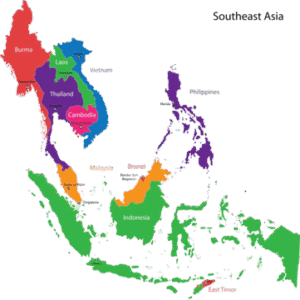
⭐Overview of Grass Jelly Consumption in Southeast Asia
Grass jelly (black jelly) is deeply rooted in SEA culinary culture. Locally known as:
-
Cincau in Indonesia & Malaysia
-
Grass Jelly / Black Jelly in Singapore
-
Sương Sáo in Vietnam
-
Often added to iced desserts in Thailand and the Philippines
Its versatility and refreshing nature make it suitable for:
✔ Bubble tea shops
✔ Herbal drink manufacturers
✔ Modern cafés
✔ Supermarket dessert cups
✔ Street drinks
Market Size & Growth Rate (2023–2025)
Based on industry observations and export data patterns:
-
The grass jelly powder market in SEA is growing at an estimated 8–12% annually.
-
Indonesia and Malaysia alone account for over 40% of regional demand.
-
Bubble tea chains like Xing Fu Tang, Koi Thé, Gong Cha, Mixue, Tiger Sugar heavily contribute to topping demand.
-
RTD (Ready-to-Drink) herbal beverage factories use powder instead of fresh jelly due to production efficiency.
⭐Key Drivers of Grass Jelly Powder Demand
1. Bubble Tea Industry Expansion
Bubble tea continues to be the top driver, especially in:
-
Indonesia, Philippines, Malaysia, Vietnam.
Grass jelly is a popular topping because of its:
✔ Low calories
✔ Smooth texture
✔ Herbal aroma
✔ Affordable cost

2. Growth of Ready-to-Drink (RTD) Herbal Beverages
Factories across SEA produce:
-
Herbal cooling drinks
-
Cincau drinks
-
Cincau + longan drinks
-
Grass jelly cans
-
Mixed fruit + jelly beverages
These factories prefer grass jelly powder because it provides:
-
Stable texture
-
Long shelf life
-
Easier mass production
-
Consistency in color
3. Cultural Preference for “Cooling” Beverages
Hot, tropical climates make cooling (yin) beverages extremely popular.
Grass jelly is known to:
✔ Reduce internal heat
✔ Aid digestion
✔ Refresh the body
Consumers associate it with wellness & traditional herbal benefits.
4. Rise of Modern Dessert Concepts
Trendy dessert concepts like:
-
Jelly bowls
-
Fruit-jelly mixes
-
Jelly parfaits
-
Grass jelly + coconut milk desserts
-
Jelly cups for supermarkets
Create demand for high-quality jelly powder rather than homemade jelly.
>> LEARN MORE ABOUT GRASS JELLY POWDER >>
⭐Country-by-Country Market Demand Analysis
Indonesia — Largest Market in Southeast Asia
Grass jelly is known as Cincau and is used in:
✔ Street drinks
✔ Bottled Cincau beverages
✔ Fruit teas
✔ Milk teas
✔ Supermarket desserts
Indonesia’s beverage factories import large quantities of powder for mass production.
Malaysia — Strong HALAL-Certified Market
HALAL certification is mandatory here.
Grass jelly is found in:
-
Grocery stores
-
Canned herbal drinks
-
Bubble tea chains
Malaysia prefers high-aroma, darker-color powder.
Philippines — Rapid Growth After 2021
Philippines consumers love:
-
Jelly drinks
-
Iced desserts
-
Fruit tea with jelly
-
Halo-halo (national dessert)
Demand grows ~10% annually.
Vietnam — Both Producer & Consumer
Vietnam uses grass jelly in:
-
Chè truyền thống
-
Modern fruit tea
-
Bubble tea shops
Vietnam also exports to Malaysia, Indonesia & Philippines.
Thailand — Dessert Market Driven
Thailand prefers grass jelly in:
-
Traditional iced desserts
-
Modern tea shops
-
Cafés
Thailand trends often spread to nearby ASEAN markets.
Singapore — Premium-Grade Market
Consumers prefer:
-
Clean label
-
Premium texture
-
High herbal aroma
Singapore imports premium-grade jelly powder for cafés.
⭐Business Opportunities for Exporters
Grass jelly powder exporters (like Duc Quy Foods) can benefit from SEA’s rising demand:
1. OEM Supply for Beverage Factories
Factories producing RTD drinks require consistent batch quality.
2. Bulk Supply for Bubble Tea Chains
Chains prefer suppliers who provide:
-
Consistent slow bounce texture
-
Darker color
-
Easy mixing formula
3. Distribution in Supermarket Channels
Retail jelly cups & powdered mixes are fast-moving goods.
4. Private Label Opportunities
Small brands often repackage under their own brand.
Preferred Product Specifications in SEA
| Country | Preferred Texture | Color | Sweetness | Grade |
|---|---|---|---|---|
| Indonesia | medium-soft | dark brown | medium | Standard |
| Malaysia | firm | dark | low sugar | Premium |
| Philippines | soft | dark | medium-high | Standard |
| Vietnam | medium | medium-dark | flexible | Standard |
| Thailand | firm | medium-dark | low | Premium |
Export Requirements for SEA Markets
Most SEA countries require:
✔ HALAL certification
✔ HACCP
✔ ISO 22000 / ISO 9001
✔ COA
✔ Product specification sheet
These help smooth customs clearance.
⭐Trends Shaping the Grass Jelly Market (2025–2027)
Trend 1: Health & Wellness Beverages
Consumers prefer low-calorie, herbal refreshing drinks.
Trend 2: Rise of Layered Drinks
Grass jelly + white jelly + boba combinations.
Trend 3: Social Media Aesthetic Drinks
Dark jelly pairs well with colorful fruit teas.
Trend 4: Vegan & Clean-Label Movement
Grass jelly powder is naturally vegan & plant-based.
Trend 5: Growth of Bubble Tea in Tier-2 SEA Cities
New customer base = more topping demand.
FAQ — Grass Jelly Market in Southeast Asia
Q1: Which country imports the most grass jelly powder?
Indonesia & Malaysia lead the region.
Q2: What grade sells best?
Standard grade for mass market; premium for cafés.
Q3: Does every country require HALAL?
Indonesia & Malaysia — mandatory.
Others — preferred.
Q4: What is the main use of grass jelly powder?
Bubble tea & RTD herbal drinks.
Q5: Which product grows faster — grass jelly or white jelly?
White jelly is growing rapidly due to fruit tea trends.
⭐Conclusion
The Southeast Asian market is experiencing strong, sustained growth in demand for grass jelly powder, driven by cultural preferences, modern beverage trends, and expanding bubble tea chains.
Exporters who can supply consistent quality, HALAL-certified products, and competitive pricing will dominate the region in the next 3–5 years.
