


White Jelly Powder Recipes for Modern Cafés (2025 Guide)
White jelly powder is rapidly becoming a trend in the global café industry. Unlike black grass jelly, white jelly is translucent, light, and extremely refreshing — making it perfect for colorful drinks, fruit-based recipes, and modern dessert menus.
Its clean flavor, crisp texture, and visual appeal allow cafés to create premium beverages, Instagram-friendly desserts, and signature toppings that stand out from competitors.
In this guide, we explore the best white jelly powder recipes for bubble tea shops, specialty cafés, juice bars, and dessert brands in 2025.

What Is White Jelly Powder?
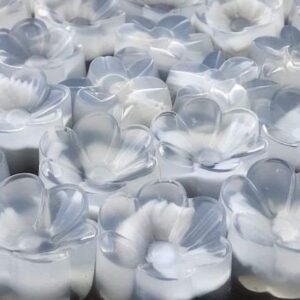
White jelly powder is a refined jelly mix used to create clear, bouncy, and refreshing jelly, typically made from starch-based ingredients.
When prepared, the jelly becomes:
-
Transparent or slightly milky
-
Crisp and clean in texture
-
Neutral in flavor (easy to flavor with syrups)
-
Ideal for fruit teas, milk teas, smoothies, and desserts
Its simplicity makes it a powerful ingredient for modern cafés looking to enhance product presentation.
⭐Essential Preparation Method for White Jelly
Before diving into the recipes, here is the base formula used by most cafés:
Standard White Jelly Recipe (Base)
Ingredients: 50g white jelly powder, 1 liter of cool water
Instructions:
1. Dissolve the Powder: In a pot, combine 50g of white jelly powder with 250ml of cool water. Stir steadily until the mixture is smooth and free of lumps.
2. Add Remaining Water & Bloom: Pour in the remaining 750ml of cool water and stir well to combine. Let the mixture rest for 15-20 minutes.
3. Cook the Jelly: Place the pot on the stove over medium heat. Bring to a boil, stirring constantly for 3-5 minutes until the mixture thickens slightly.
4. Set and Serve: Pour the cooked mixture into a bowl or container. Let it cool to room temperature, then refrigerate for at least 2-3 hours until fully set. To serve, cut into cubes and enjoy with sugar syrup, milk, or your favorite toppings.
Texture Guide:
-
Firmer jelly: use 0.8 L water
-
Softer jelly: use 1.2 L water
>> Watch video for more details >>
⭐Top 5 White Jelly Powder Recipes for Modern Cafés
1. White Jelly Fruit Tea (Best Seller)
This recipe is extremely popular in Vietnam, Taiwan, Indonesia, and the Philippines.
Ingredients:
-
White jelly cubes
-
Jasmine tea or oolong tea
-
Orange slices
-
Passion fruit syrup
-
Ice
Instructions:
-
Prepare base iced tea
-
Add jelly cubes
-
Mix with fresh fruits
-
Shake with ice
-
Serve in tall transparent cup
Why it sells well:
-
Refreshing
-
Beautiful presentation
-
Low cost, high margin
-
Instagram-friendly
2. Coconut White Jelly Dessert Cup
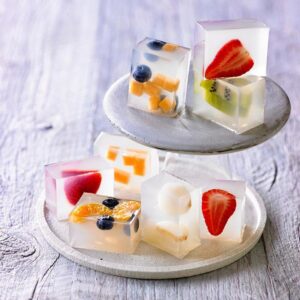
Perfect for cafés offering dessert lines.
Ingredients:
-
White jelly cubes
-
Coconut milk
-
Condensed milk (optional)
-
Shredded coconut
-
Mango cubes (optional)
Instructions:
-
Layer white jelly at bottom
-
Pour coconut milk mixture
-
Add fruit toppings
Why it works:
-
Clean, tropical flavor
-
Easy prep
-
Attractive visual layers
3. Lychee White Jelly Cooler (Signature Drink)
A best seller for summer menus.
Ingredients:
-
White jelly
-
Lychee syrup
-
Lychee fruit
-
Soda water or iced tea
Steps:
-
Add jelly
-
Pour lychee syrup
-
Add soda or tea
-
Garnish with fruit
Why cafés love it:
-
Low cost
-
Highly refreshing
-
Appeals to all age groups
4. White Jelly Milk Tea Topping
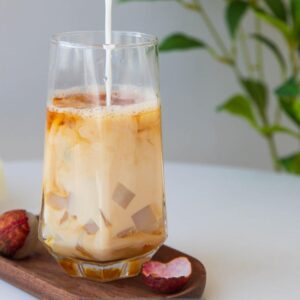
White jelly is a great alternative to pearls or coffee jelly.
Milk Tea Base:
-
Black milk tea
-
Fresh milk
-
Brown sugar syrup
Add white jelly:
Cut into strips or cubes.
Benefits:
-
Cheaper than boba
-
Faster prep
-
Vegan-friendly
-
Gives a “clean” mouthfeel
5. Butterfly Pea White Jelly Dessert (Color-Changing Effect)
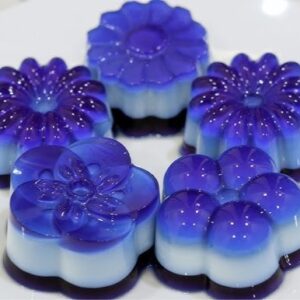
This recipe is highly attractive visually.
Ingredients:
-
White jelly
-
Butterfly pea extract
-
Lemon slices
-
Sugar syrup
How to prepare:
-
Create base white jelly
-
Drizzle butterfly pea syrup (blue)
-
Add lemon → turns purple
Why it’s trending:
-
Dynamic color transition
-
Perfect for social media
-
Unique selling point for cafés
⭐Creative Ways Cafés Use White Jelly
Cafés can add white jelly to various products:
1. Smoothies
White jelly adds texture without overpowering the drink.
2. Mocktails
Works perfectly with soda, citrus, and tropical flavors.
3. Dessert Bowls
Reduces calorie load compared to pudding or ice cream.
4. Packaged Jelly Cups (for retail)
White jelly is great for OEM dessert cup production.
5. Kids-Friendly Drinks
Mild flavor, safe texture.
Flavor Variations of White Jelly
White jelly can be easily flavored with:
-
- Mango
- Lychee
- Passion fruit
- Peach
- Kiwi
- Pineapple
- Coconut
- Honey
- Pandan
- Coffee (for a café twist)
This makes it extremely customizable for branding.
Preparation Tips for Café Owners
✔ Maintain consistent jelly size
Customers prefer uniform cubes.
✔ Use transparent cups
To showcase jelly clarity.
✔ Mix with fruit-based drinks
Boosts “refreshing” appeal.
✔ Keep refrigerated
Best quality within 48 hours.
✔ Avoid overcooking
This may cause rubbery texture.
White Jelly for OEM Manufacturing
Large-scale manufacturers use white jelly powder to produce:
-
Jelly cups
-
Fruit jelly mixtures
-
Mixed jelly beverages
-
Dessert packs
Why factories choose white jelly powder:
✔ Easy to process
✔ Low cost
✔ Consistent quality
✔ Long shelf life
>> Visit our Alibaba site: ducquy.trustpass.alibaba.com >>
FAQ — White Jelly Powder Recipes
Q1: Is white jelly the same as grass jelly?
No. White jelly is clear; grass jelly is black and herbal.
Q2: Can white jelly be flavored?
Yes — it’s one of its biggest advantages.
Q3: How long can white jelly last?
24–48 hours refrigerated.
Q4: Can it be used in milk teas?
Absolutely — many brands use it as a topping.
Q5: Can jelly texture be adjusted?
Yes — simply change water ratio.
Conclusion
White jelly powder is a versatile, visually stunning ingredient that can elevate any café menu. Its clear appearance, customizable flavor, and refreshing texture make it perfect for fruit teas, milk teas, mocktails, desserts, and signature drinks.
By mastering these top white jelly recipes, cafés can attract more customers, improve drink presentation, and increase profit margins.
